White Mold Mitigation in Bergen County, NJ
White mold mitigation services focus on identifying and removing mold growth that appears as white or light-colored patches on indoor surfaces. These services typically cover projects involving residential properties where mold has developed on walls, ceilings, attics, basements, or other areas prone to moisture buildup. Property owners considering mold mitigation usually want to understand the extent of the mold presence, the potential causes of moisture intrusion, and the steps involved in safely removing the mold to prevent future growth.
Before requesting white mold mitigation, property owners often seek information about the scope of the work, the methods used for mold removal, and any necessary repairs to address underlying moisture issues. It’s important to clarify whether the service includes thorough cleaning, moisture control, and recommendations for ongoing maintenance to reduce the risk of mold reappearance. Understanding these aspects helps ensure that the mitigation process effectively restores indoor air quality and maintains a healthier living environment.
Many property owners in Bergen County, NJ look into White Mold Mitigation for repairs, replacements, upgrades, and appearance-related improvements.
Understanding White Mold
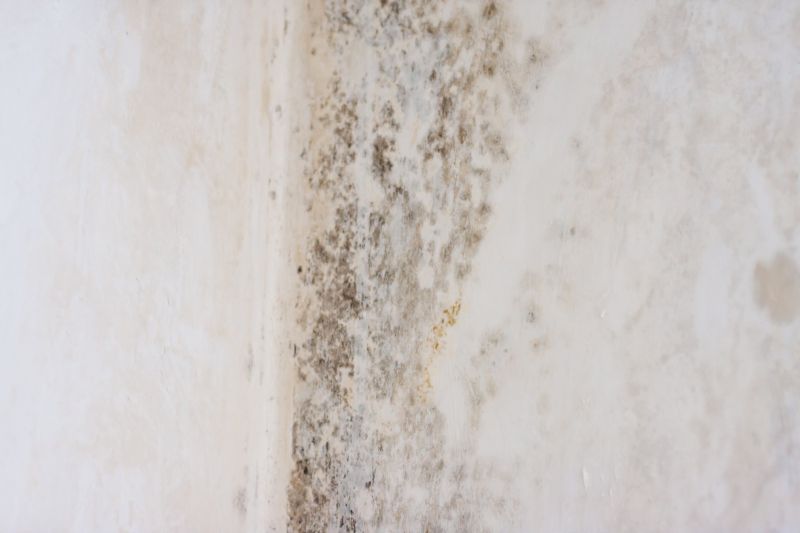
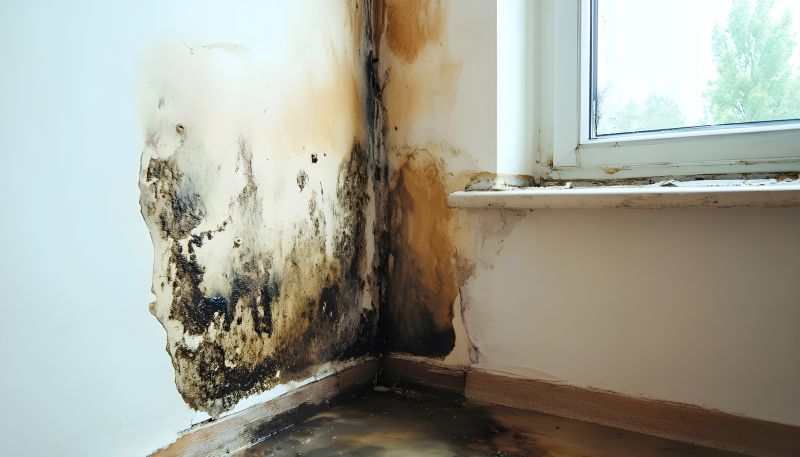
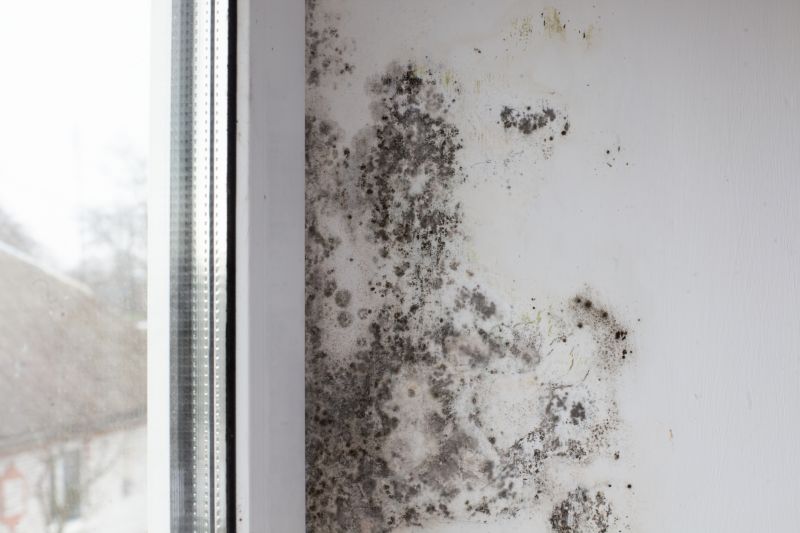
White mold often grows in damp, hidden areas of homes and can affect indoor air quality.
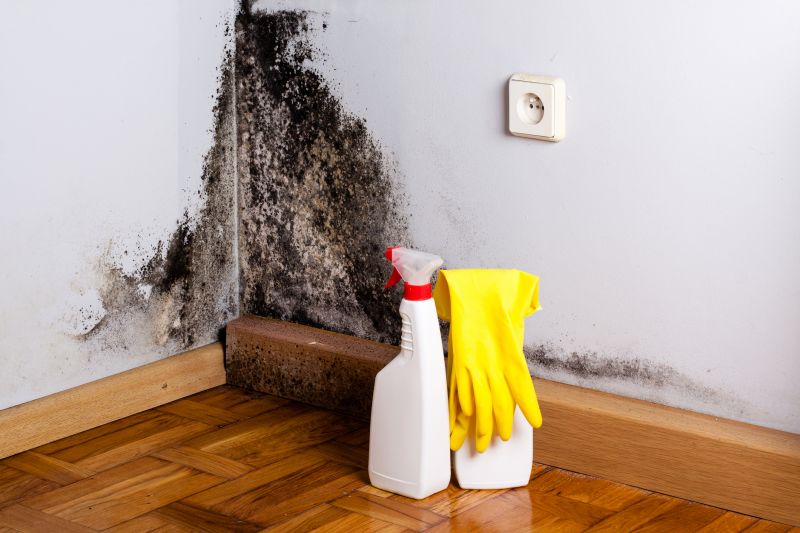
Signs Of Mold Growth
Visible spots, musty odors, and recurring moisture issues are common indicators of white mold presence.
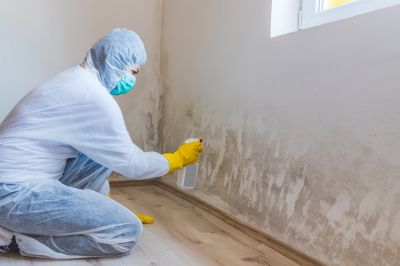
Preventing Mold Recurrence
Proper moisture control and regular inspections help maintain a mold-free environment in bergen county homes.
White Mold Mitigation in Bergen County, NJ
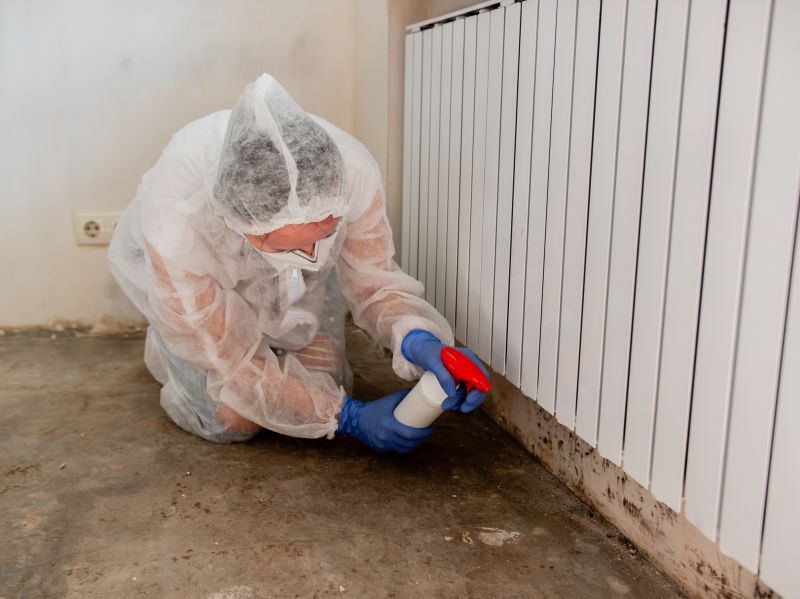
White mold mitigation services focus on identifying and removing mold growth that appears as white or light-colored patches on indoor surfaces. These services typically cover projects involving residential properties where mold has developed on walls, ceilings, attics, basements, or other areas prone to moisture buildup. Property owners considering mold mitigation usually want to understand the extent of the mold presence, the potential causes of moisture intrusion, and the steps involved in safely removing the mold to prevent future growth.
Before requesting white mold mitigation, property owners often seek information about the scope of the work, the methods used for mold removal, and any necessary repairs to address underlying moisture issues. It’s important to clarify whether the service includes thorough cleaning, moisture control, and recommendations for ongoing maintenance to reduce the risk of mold reappearance. Understanding these aspects helps ensure that the mitigation process effectively restores indoor air quality and maintains a healthier living environment.
Many property owners in Bergen County, NJ look into White Mold Mitigation for repairs, replacements, upgrades, and appearance-related improvements.
Common White Mold Mitigation Jobs
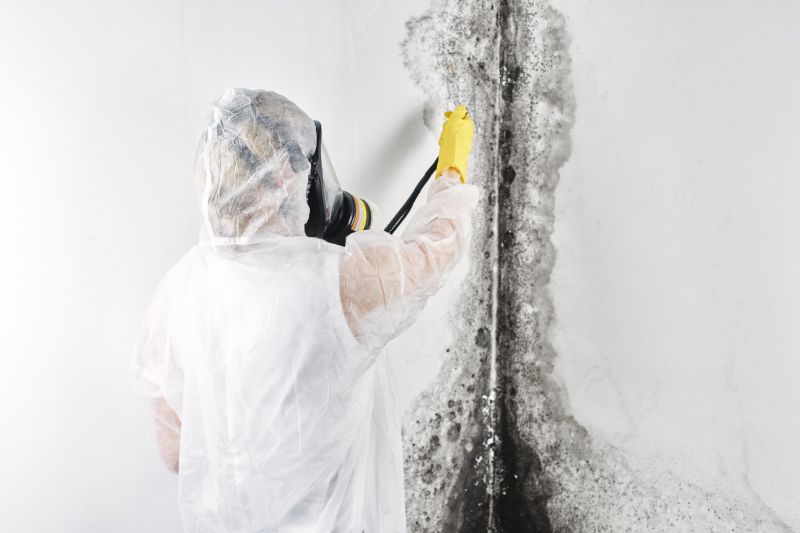
White Mold Removal - professional services to eliminate visible mold growth from walls, ceilings, and surfaces.
Mold Inspection - thorough assessments to identify hidden mold sources behind walls and in attics.
Moisture Control - solutions to reduce humidity and prevent future mold development.
Water Damage Restoration - addressing leaks and water intrusion that contribute to mold growth.
Surface Cleaning - deep cleaning to remove mold spores from affected areas and prevent spread.
Structural Drying - drying out affected building materials to inhibit mold re-establishment.
White Mold Mitigation Questions
What is white mold? White mold is a type of mold that appears as a white or off-white growth on surfaces, often in damp or humid areas of a property.
How does white mold affect property? White mold can cause property damage, staining, and may contribute to health issues if not addressed promptly.
What are common places where white mold develops? White mold commonly grows in bathrooms, basements, crawl spaces, and areas with poor ventilation or moisture buildup.
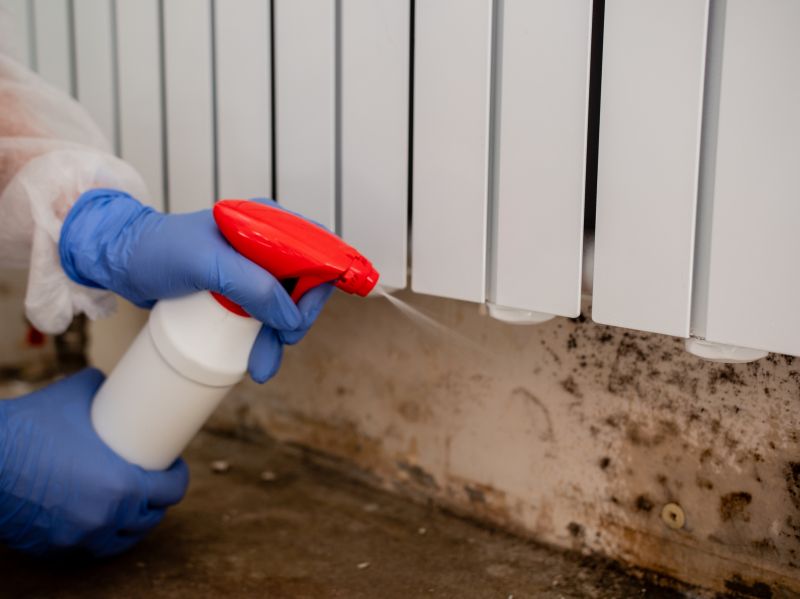
What is involved in white mold mitigation? Mitigation typically includes identifying the source of moisture, removing mold growth, and treating affected areas to prevent future growth.
Request White Mold Mitigation in Bergen County, NJ
Use the quote form on this page to share the basics of your project and request more information for the type of work you need.